Sustainable Future for Generations
Discover how we manage our business in line with the Sustainable Development Goals while continuing to deliver business growth
Social and Environmental Responsibility
Community Involvement & Development
Resilient communities are an essential foundation for the transition to a cleaner, more sustainable energy future. Pertamina NRE believes climate action is not solely the company's responsibility; it also requires the active involvement of communities through a shared vision and sustained collaboration.
We believe that efforts to reduce the impact of climate change must go hand in hand with improving community welfare, especially around our operating areas. Pertamina NRE is therefore committed to creating lasting social value through targeted, impactful community development programmes.
As an expression of this commitment, Pertamina NRE has drawn up a Community Development Programme Strategic Plan focused on five main pillars:
- Improving the Quality of Education, to support the capacity and competence of future generations
- Improving the Quality of Health, to foster healthy and productive communities
- Caring for the Environment, through community-based environmental conservation initiatives
- Community Economic Empowerment, to increase local economic self-reliance and welfare
- Infrastructure and Social Development, to support access and overall quality of life for communities
Through a collaborative and sustainable approach, Pertamina NRE continues to strengthen the role of communities as strategic partners in the energy transition, while ensuring inclusive and lasting positive impact for all stakeholders.
Desa Energi Berdikari | Sugar, Sungai Gerong Plaju
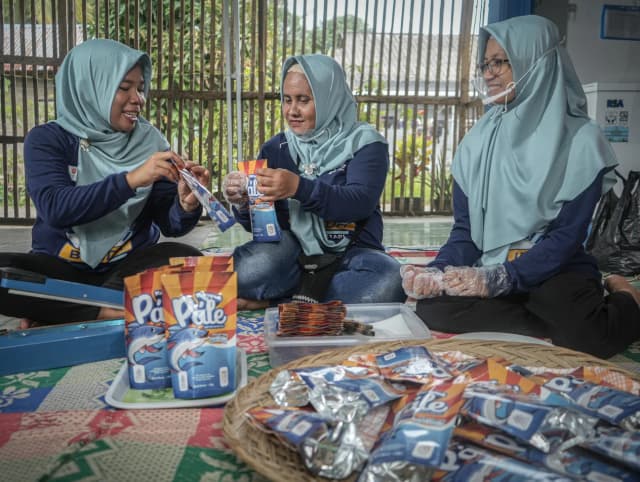
This program provides electricity to support the operations of a production facility managed by a group of women from households supported by PT KPI RU III Plaju.
The solar power system (PLTS) is utilized to support the production of various processed catfish products, such as nuggets and chips, as well as to provide lighting for the Early Childhood Education Center (PAUD) and Integrated Health Post (Posyandu).
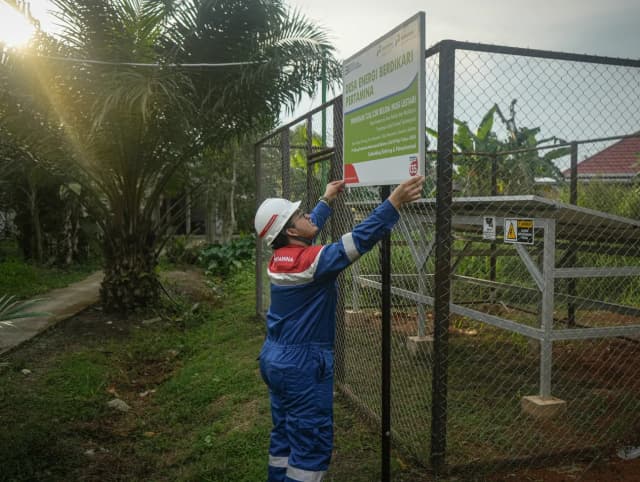
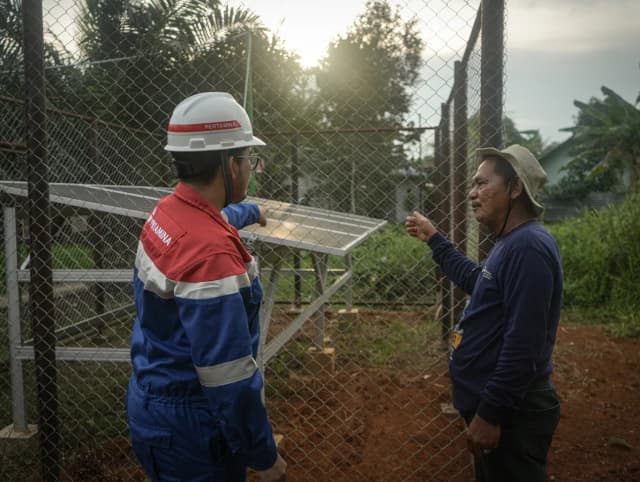
Educational activities, including training on solar power system maintenance, are also conducted to ensure the long-term sustainability of the system. By providing clean energy, promoting environmentally friendly economic activities, and empowering local communities, this project makes a significant contribution to sustainable economic development and reducing environmental impacts in the area.
Desa Energi Berdikasi | Hidroponik Sehati
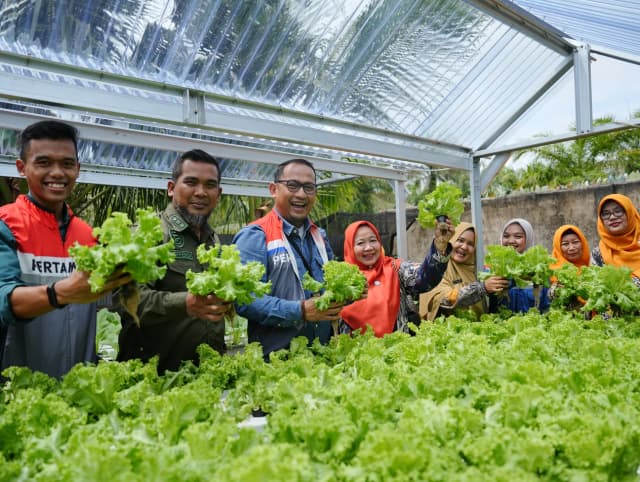
The Dumai Independent Energy Village (Desa Energi Berdikari) has significant potential to meet its energy needs, particularly in powering various equipment used for water pumping systems.
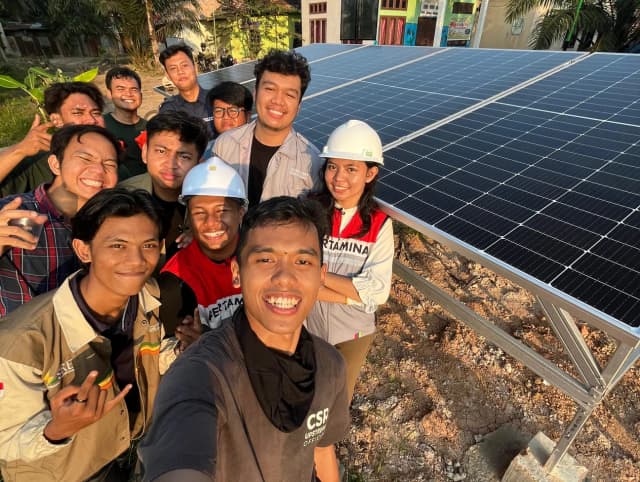
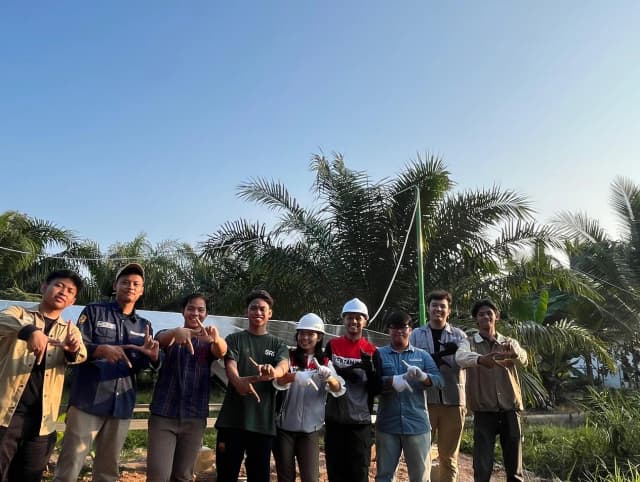
Through the utilization of renewable energy, this project supports hydroponics-based economic activities, particularly the cultivation of crops such as lettuce and mustard greens. The system not only helps meet local food needs but also promotes the sustainability of community-based businesses. The installation of the solar power system (PLTS) has generated significant positive impacts.
Economically, the project creates opportunities to increase local community income through the management of hydroponic activities. Furthermore, it fosters collaboration among community members in managing renewable energy resources and developing businesses powered by clean energy.
Desa Energi Berdikari | Kumbung Jamur
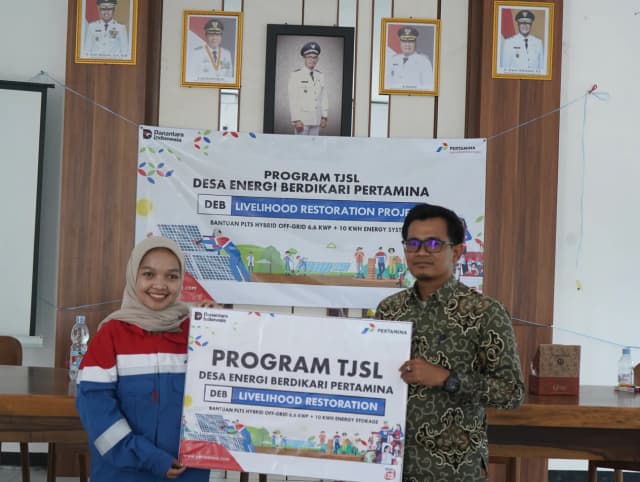
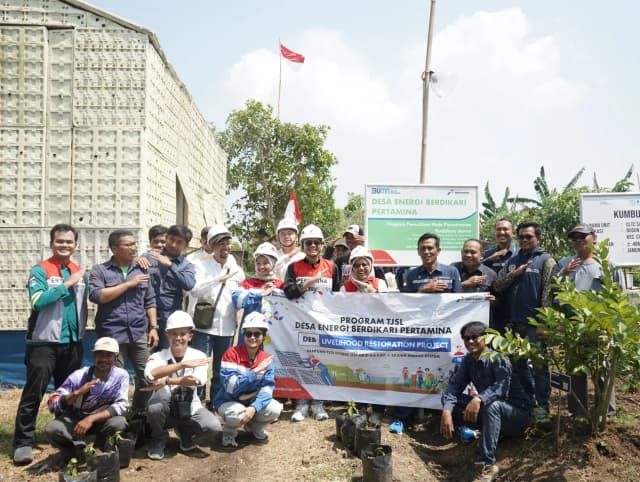
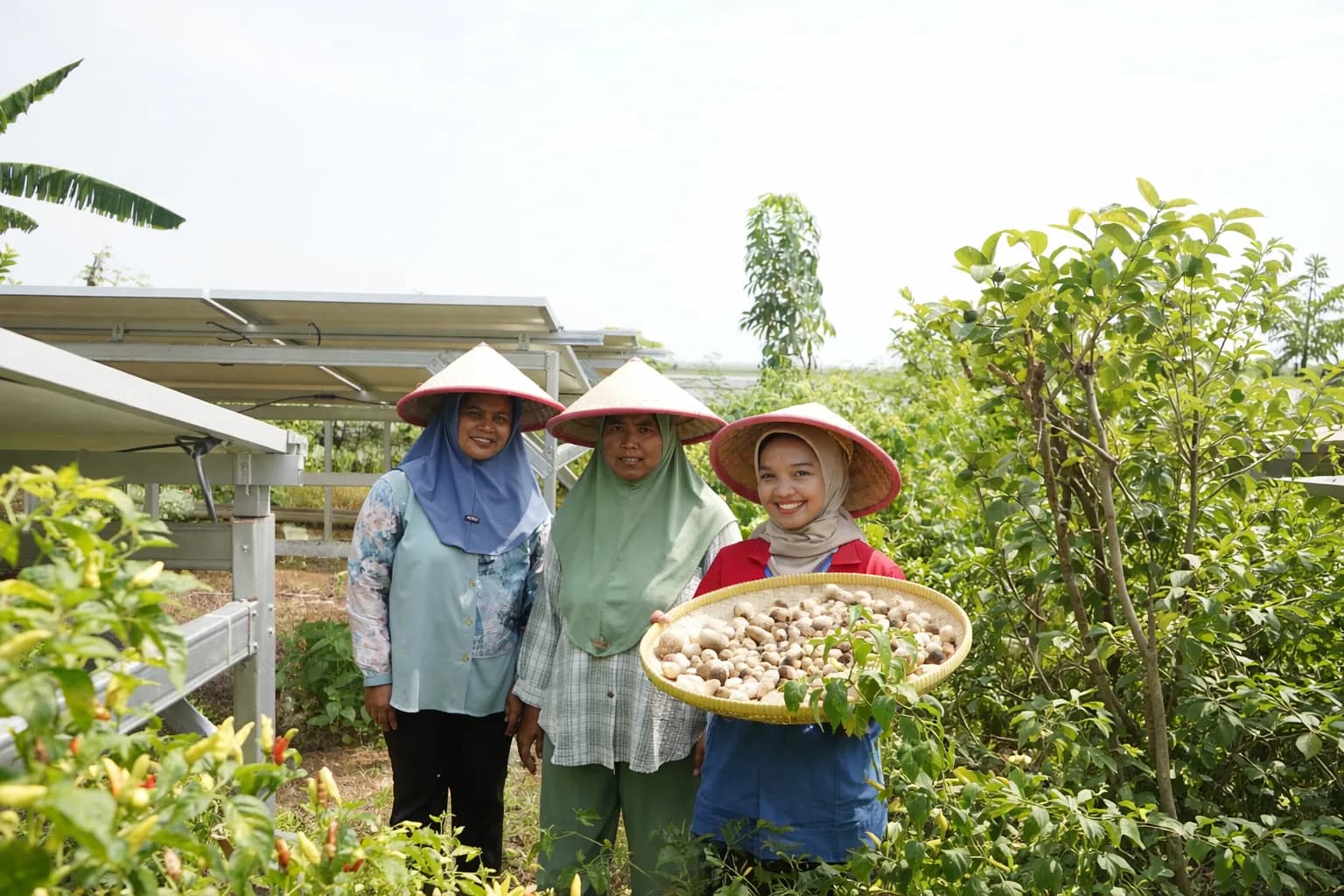
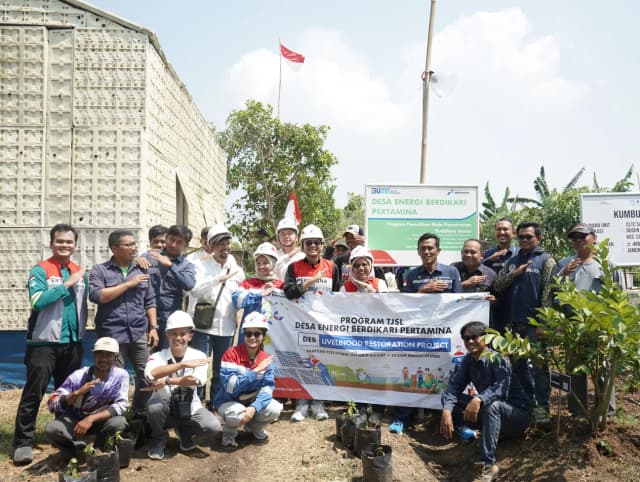
The Independent Energy Village (Desa Energi Berdikari) initiative at the Cilamaya Mushroom Cultivation Group aims to support local economic activities through mushroom cultivation while promoting energy independence using renewable energy. The program utilizes rice straw waste as a growing medium for mushroom cultivation.
This project generates positive impacts by providing clean energy, supporting local economic activities, and raising community awareness of the importance of environmentally friendly energy through educational activities. The solar power installation benefits a total of 89 people, including fish farmers, farmers, and 50 indirect beneficiaries.
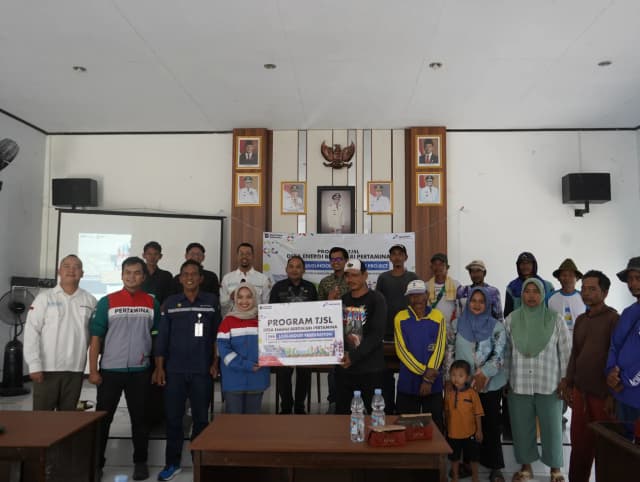
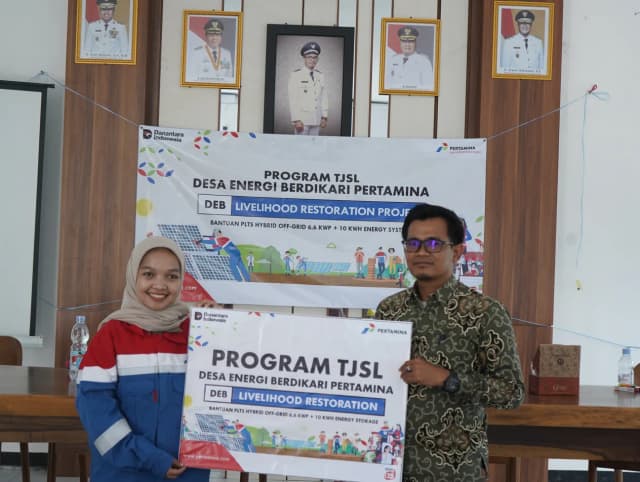
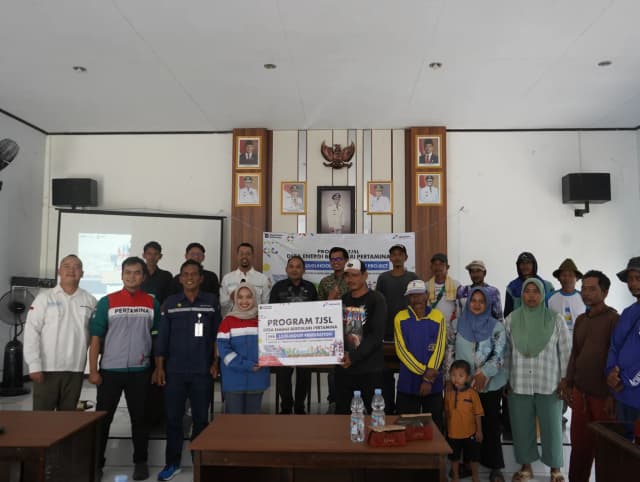
Currently, the Tirta Makmur Farmers Group is developing an integrated agriculture concept that combines mushroom cultivation, vegetable farming, livestock, and waste processing. This innovation has significantly increased energy demand at the Pertamina NRE CID site. To meet these needs, the solar power system capacity, which was previously 2.2 kWp, has been expanded by an additional 4.4 kWp, bringing the total installed capacity to 6.6 kWp. This expansion is part of PT Pertamina (Persero)'s Independent Energy Village program, which was reactivated and accompanied by a community outreach and awareness session on August 7, 2025.
Following the increase in solar power capacity, mushroom production has also risen from 300 kg to 400 kg per month.
Desa Energi Berdikari | Kampung Nelayan
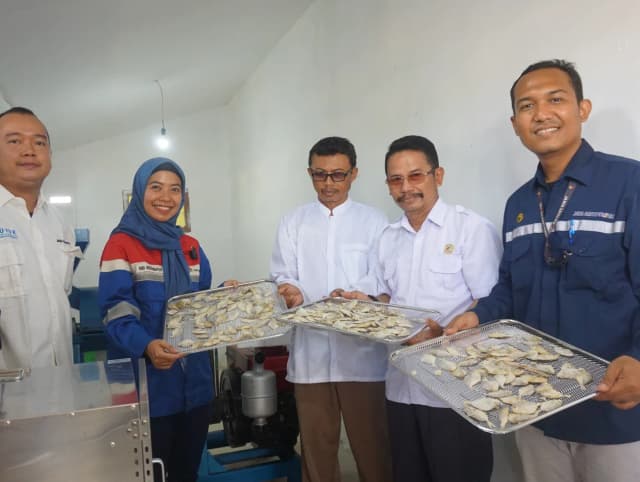
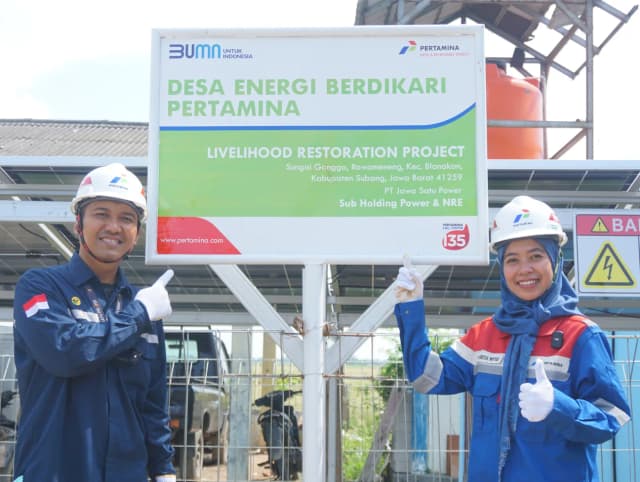
The solar power system (PLTS) installation supports fish meal production in Rawameneng Village, aiming to increase the added value of fishery products, particularly low-value bycatch fish, by processing them into high-protein fish meal for livestock and aquaculture feed.
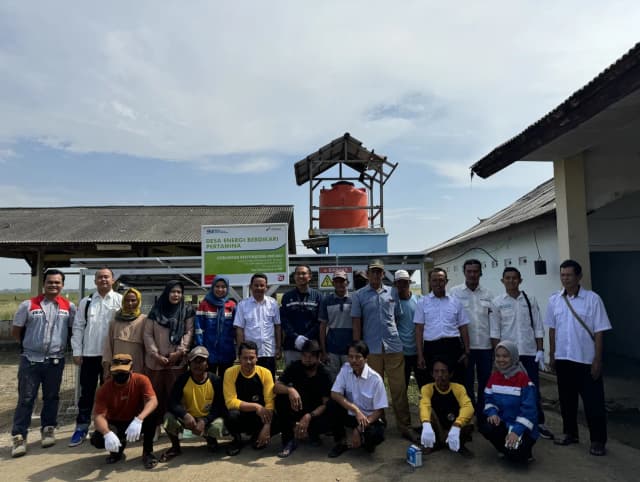
Desa Energi Berdikari | Greenhouse Ulubelu
The Independent Energy Village (Desa Energi Berdikari) project focuses on youth empowerment through the development of local potential, particularly in greenhouse cultivation of melons, grapes, and other fruits. The initiative aims to reduce electricity costs associated with lighting, water pumps, and hydroponic irrigation systems.
Through the installation of a solar power system (PLTS) at the greenhouse facility, Pertamina NRE supports the local community in reducing electricity expenses while promoting sustainable, renewable energy-based agricultural activities.
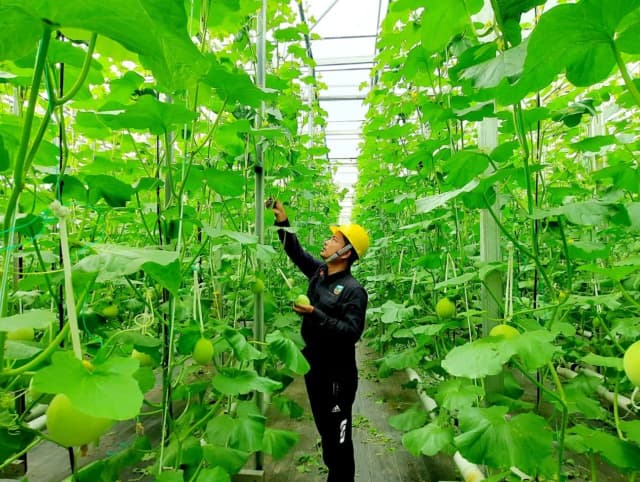
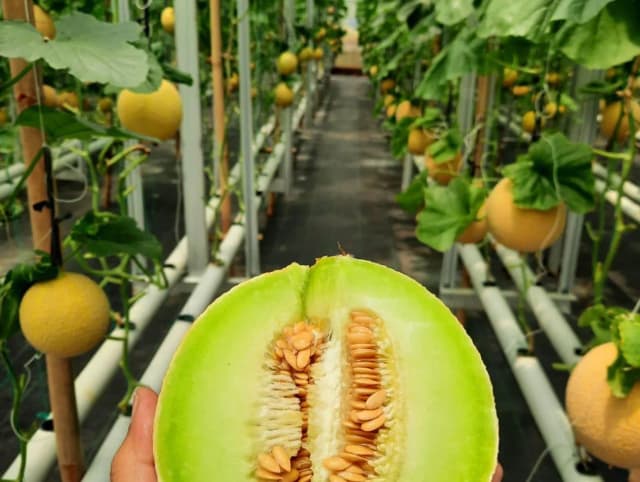
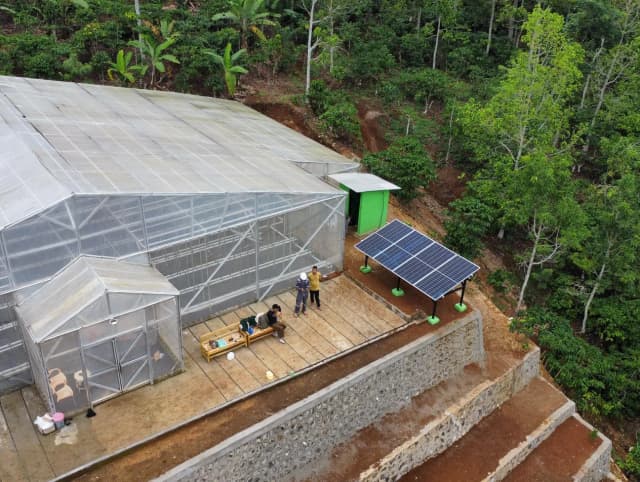
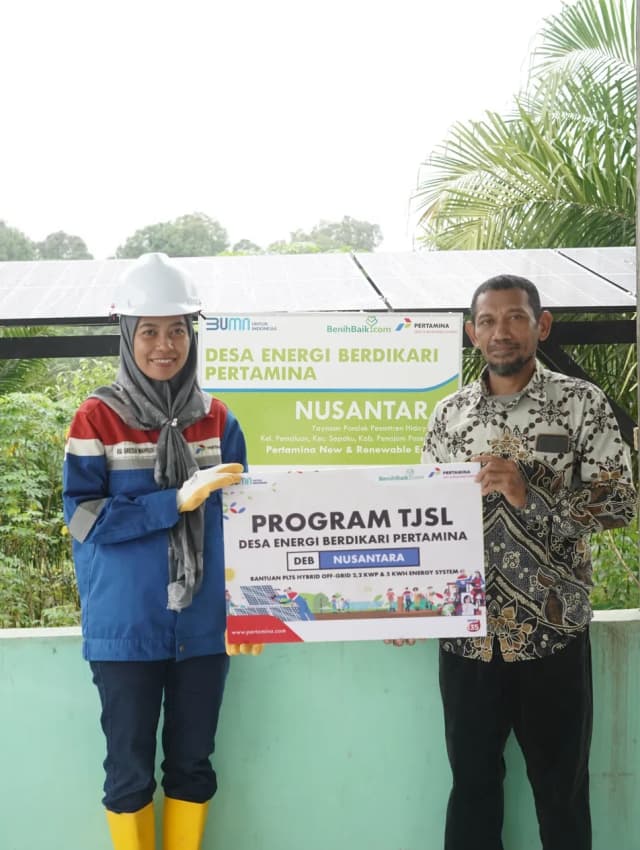
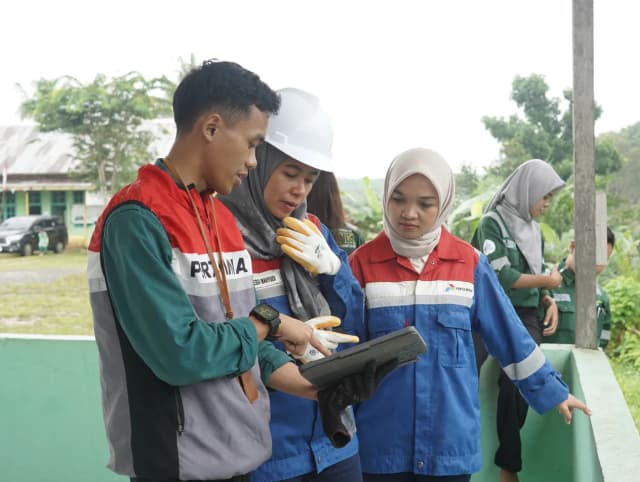
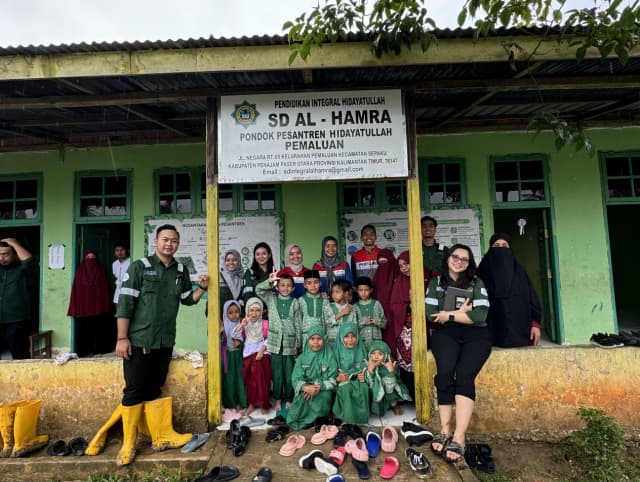
Desa Energi Berdikari | Yayasan Pondok Pesantren Hidayatullah
Hidayatullah Islamic Boarding School Foundation (Yayasan Pondok Pesantren Hidayatullah) is a key location of focus for Pertamina NRE in promoting environmental awareness, green economic development, and sustainable energy initiatives. The solar power system (PLTS) supports educational activities while raising community awareness of the importance of environmentally friendly energy through educational programs.
The electricity generated is used to meet the boarding school's daily energy needs. The installation provides positive impacts by supplying clean energy as an alternative to fossil fuels, supporting local economic activities, and increasing community awareness of the importance of environmentally friendly energy through educational initiatives.
Desa Energi Berdikari | SMPN 2 Mandau Rokan
SMPN 2 Mandau is an A-accredited school that received an award from the Ministry of Environment in 2027. To support the learning process in its science laboratory, Pertamina NRE provided a solar power system (PLTS) with an installed capacity of 2.2 kWp and a 5 kWh battery as part of the Pertamina NRE Independent Energy School (Sekolah Energi Berdikari) program.
Through the installation of the solar power system, SMPN 2 Mandau, located in Rokan Regency, now benefits from a reliable, environmentally friendly, and sustainable source of electricity. This initiative aims to support students' learning activities while promoting the use of renewable energy in the school environment.
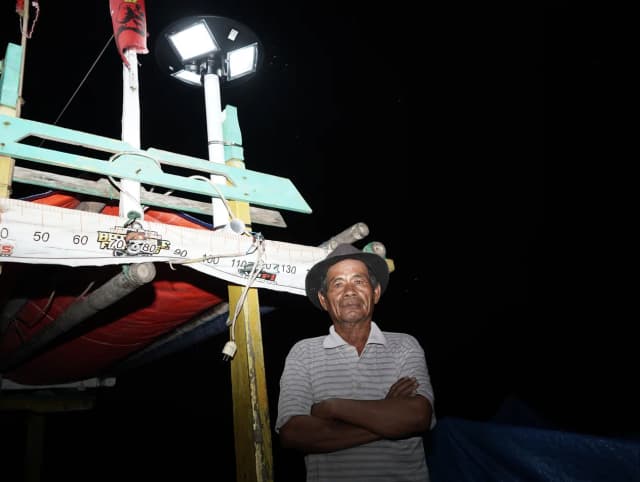
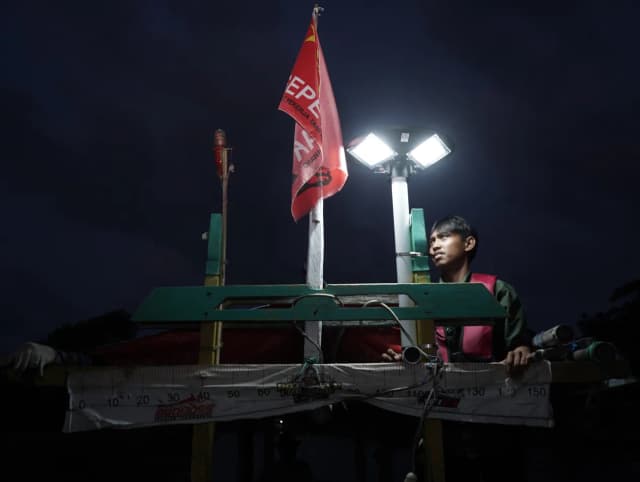
Desa Energi Berikari | Penerangan Kapal Nelayan
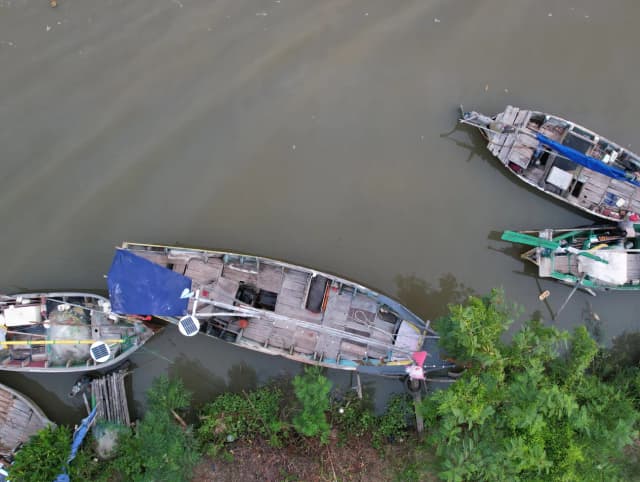
This program is part of an initiative to develop the capture fisheries sector for small-scale fishing communities in Muara Village. It aims to improve fishermen's productivity through the use of efficient and environmentally friendly renewable energy.
Most fishing boats operate at night, where lighting was previously limited to small lamps or headlamps. Through this initiative, the adoption of renewable energy is expected to improve lighting conditions and support safer and more efficient fishing activities.
Desa Energi Berdikari | Penerangan Kapal Batam
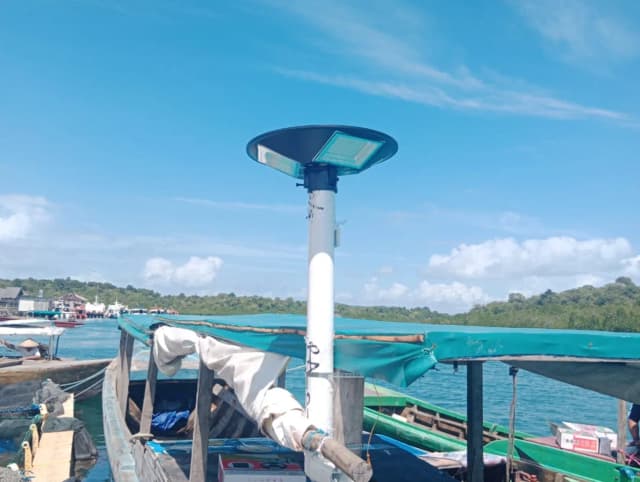
The solar power installation program for fishing boats in Batam is designed to provide support to local fishermen as part of a broader initiative to empower coastal communities and promote renewable energy development in island regions such as Batam.
Currently, fishing boats that have received the assistance are utilizing solar power systems (PLTS) as their primary energy source for onboard lighting, particularly during nighttime fishing activities. The use of solar energy provides fishermen with more stable, reliable, and sustainable lighting.
Beyond providing electrical facilities, the installation of solar power systems on fishing boats in Batam represents a strategic step toward promoting energy independence, improving fishermen's occupational safety, and accelerating the transition to clean and sustainable energy in coastal and island communities.

Desa Energi Berdikari | Pelatihan Kumbung Jamur
The mushroom cultivation training program is part of an initiative to enhance the knowledge, skills, and capabilities of farmer groups in cultivating straw mushrooms. The program aims to enable participants to produce high-quality, competitive products with greater economic value.
Currently, the women farmers have developed sufficient knowledge and skills not only in straw mushroom cultivation but also in processing the harvest into various value-added products.
Through the training and ongoing assistance provided, the women farmers have gained the ability to transform straw mushrooms into ready-to-eat food products, such as sambal matah mushrooms and rendang mushrooms. These products offer distinctive flavors and greater market value.